Decipherment

Day 19: Linear B

Dr. Andrew M. Byrd

Review

Review

With your neighbor discuss:

  • how frequency and symbol count contribute to our understanding of the type of writing system
  • how distribution helps us understand a language’s morphology

So far…

  • Importance of Frequency & Distribution
  • Cuneiform
  • Egyptian Hieroglyphs
  • History of the Alphabet
  • Mayan Hieroglyphs

Looking Ahead

  • Next Class – Review for Exam 2
  • Class after that – Exam 2!
  • Final part of the course: undeciphered scripts

What is Linear B?

Before Linear B

  • Late 19th–early 20th century: growing interest in Bronze Age Aegean civilizations
    • Very little was known about writing in prehistoric Greece
  • No expectation (yet) that Greek might go back this far

Arthur Evans at Knossos

  • British archaeologist Arthur Evans
  • Began excavations at Knossos (Crete) in 1900
  • Uncovered a major Bronze Age palace complex

Knossos

Knossos Palace

Knossos Palace

Discovery of the Tablets

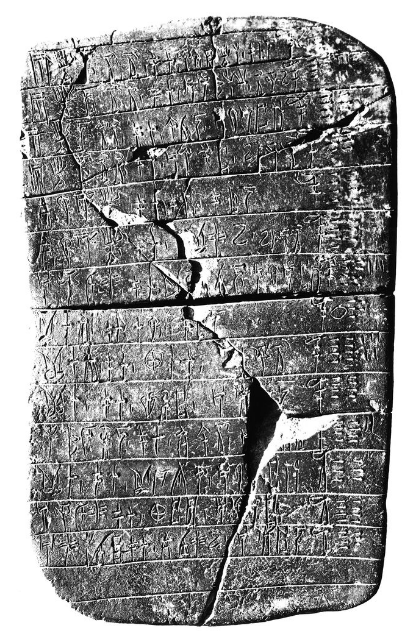
  • Evans discovered clay tablets in palace archives
  • Tablets preserved because they were baked in fires
  • Covered in previously unknown scripts

Three Writing Systems

Evans identified three distinct scripts:

  • Cretan Hieroglyphic
  • Linear A
  • Linear B

Cretan Hieroglyphs

Linear A

Linear B

Scripts at Knossos

  • Cretan Hieroglyphs & Linear A: earlier, still undeciphered
  • Linear B: later, visually similar to Linear A but distinct

A False Assumption

  • Evans believed:
    • Minoan civilization was pre-Greek
    • Therefore, the scripts were not Greek
  • This assumption delayed decipherment for decades

A Second Archive: Pylos

  • Excavated by Carl Blegen (1930s)
  • Discovered another large archive of tablets
  • Provided much more data for analysis

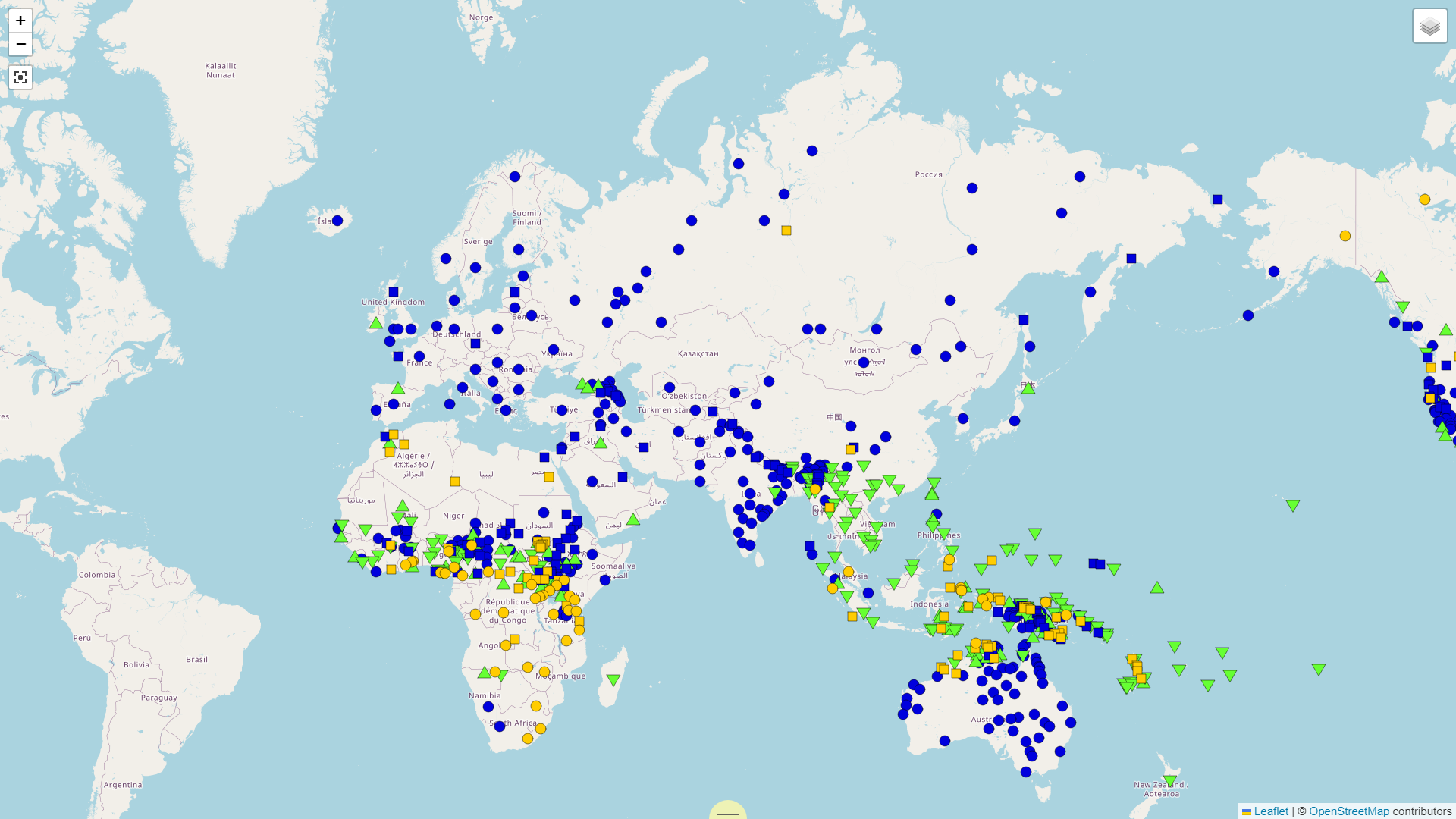
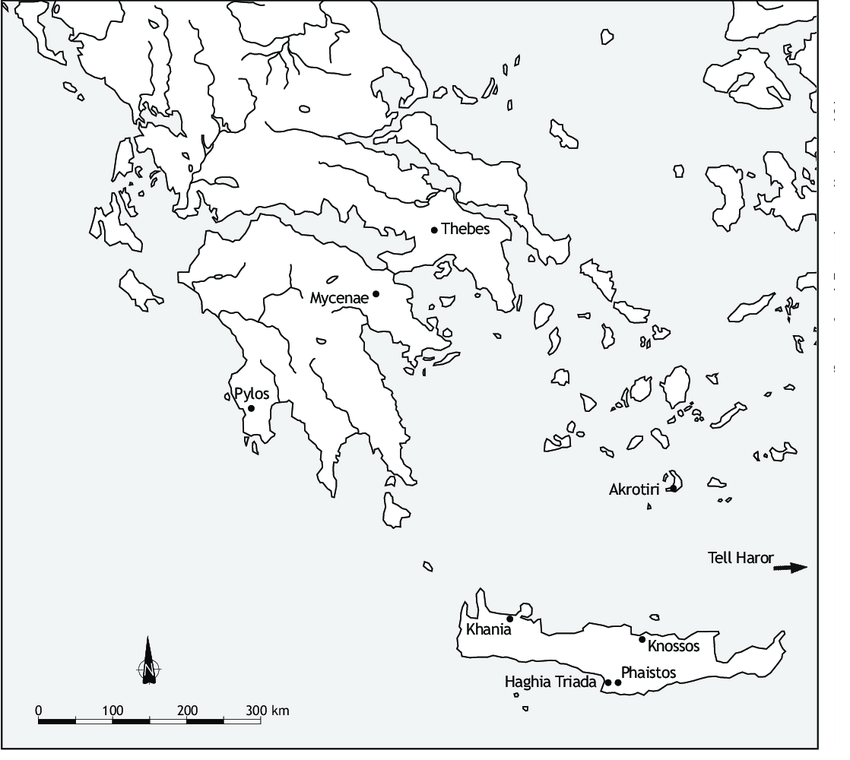
Linear B Discovery Sites
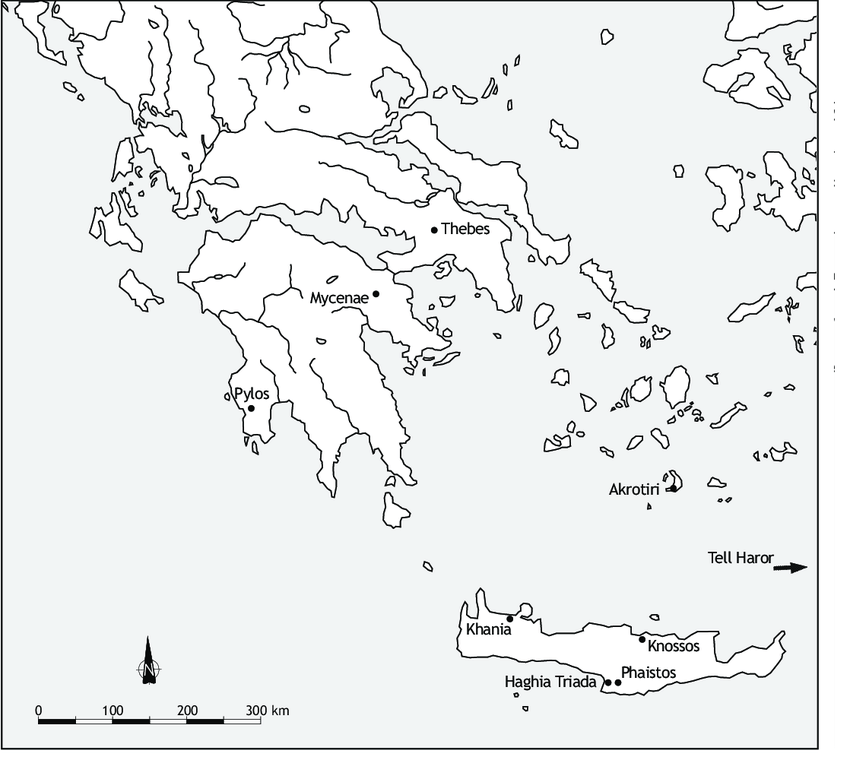
Nosch et al. 2010

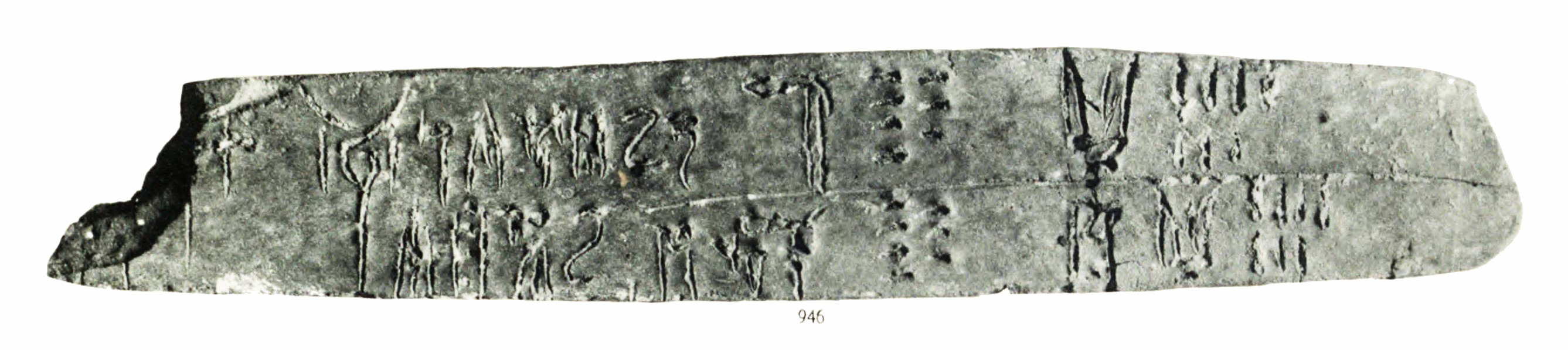
  • Knossos: 4,000+ inscriptions

  • Pylos: 1,000+ inscriptions

How Old is Linear B?

  • Room of the Chariot Tablets at Knossos on Crete (1450-1400 BCE)
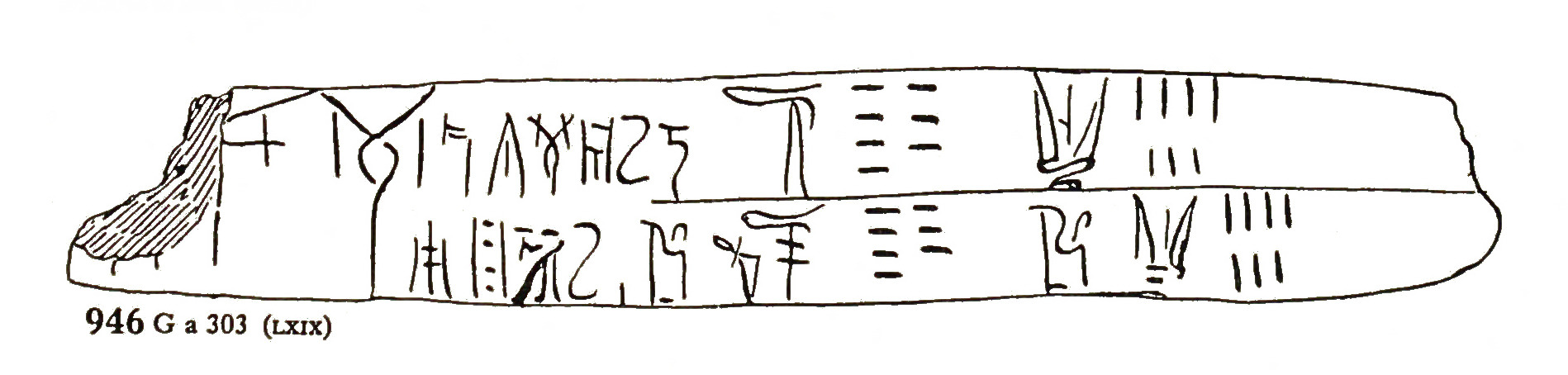
How Old is Linear B?

  • Oldest text perhaps from Kafkania, which predates it by two centuries or more
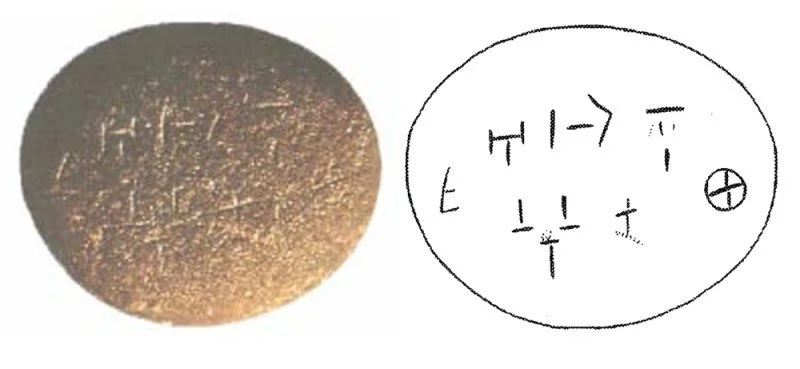
Kafkania Pebble

To Put this into Context

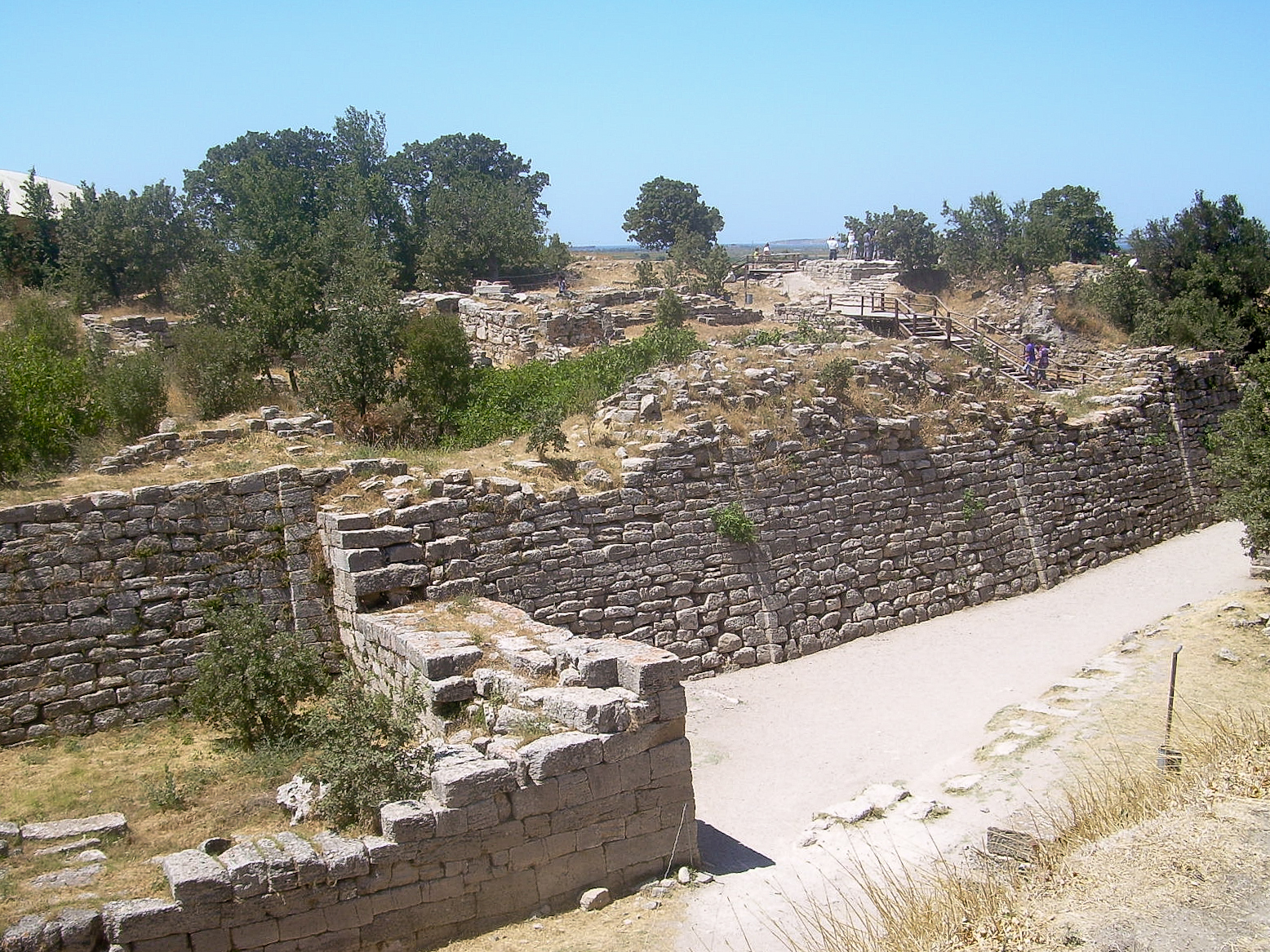
Walls of Troy

Trojan War, likely c. 1275 BCE

How can we even decipher this?

  • Unknown script
  • Unknown language
  • No bilingual text (no “Rosetta Stone”)

Deciphering Linear B

Deciphering Linear B

  • Scholars began:
    • cataloging signs
    • counting frequencies
    • grouping similar forms

Deciphering Linear B

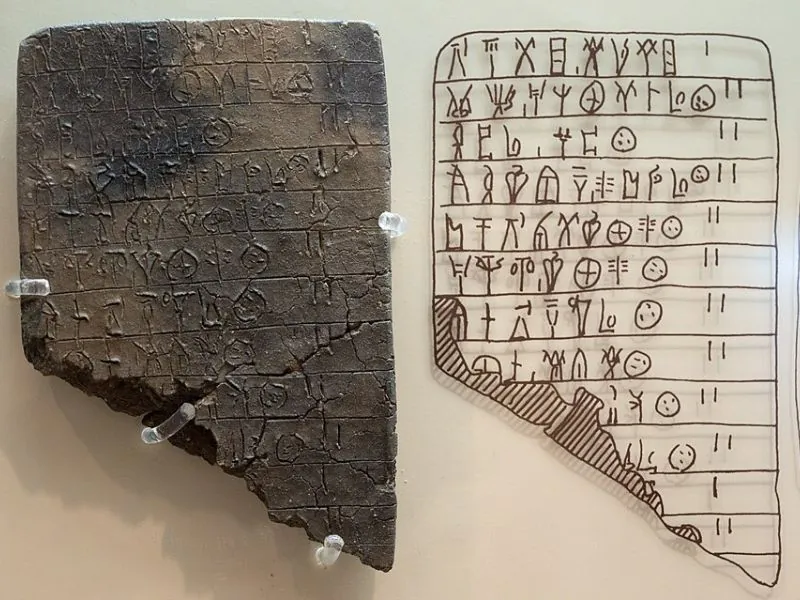
Tablet & Sketch

Tablet & Sketch

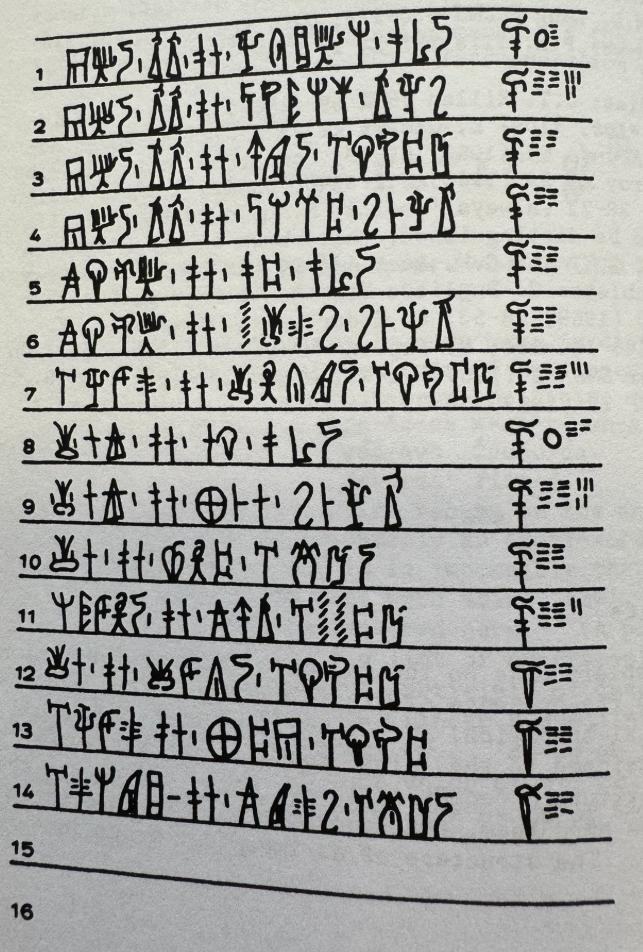
Activity: PY Cn 40

Let’s examine a Linear B tablet, this one PY Cn 40

  • Cn = livestock tablet
  • PY == ??

Activity: PY Cn 40

1. What is the Linear Orientation of Linear B? Is there anything noteworthy about how the tablet is organized?

2. Character Shapes - Roughly how many different signs appear? Are the signs iconic or symbolic?

3. Repetition - Do any signs or groups of signs repeat? - Do repeated groups appear in the same position in each line?

4. Structure - Do you notice any symbols that look different from the others (for example, numbers)?

5. Hypothesis - What kind of writing system might this be? - What type of document does it appear to be?

Lines 8, 9, 10

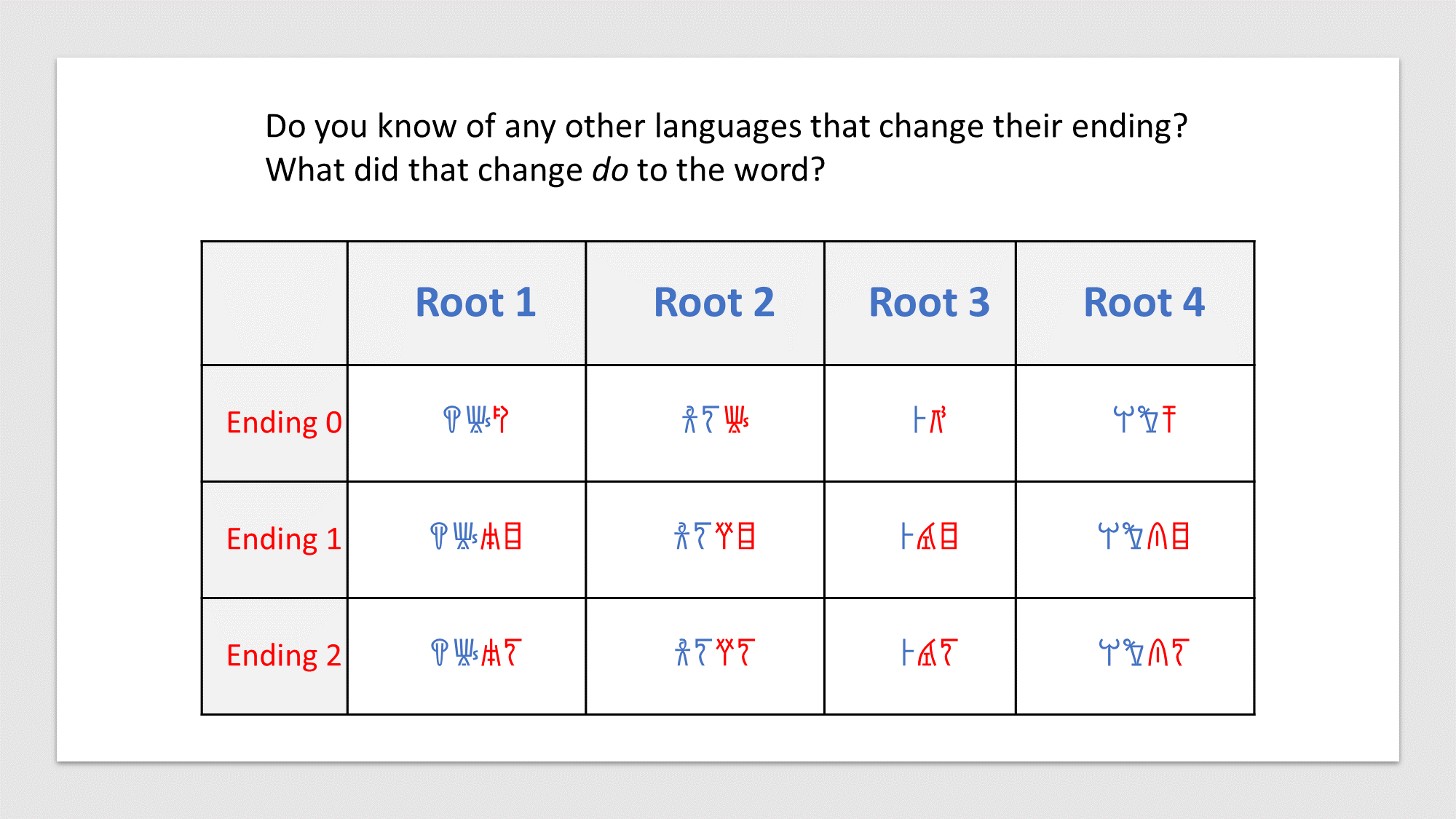
Endings?

Languages that suffix (inflection)
Syllabic Writing
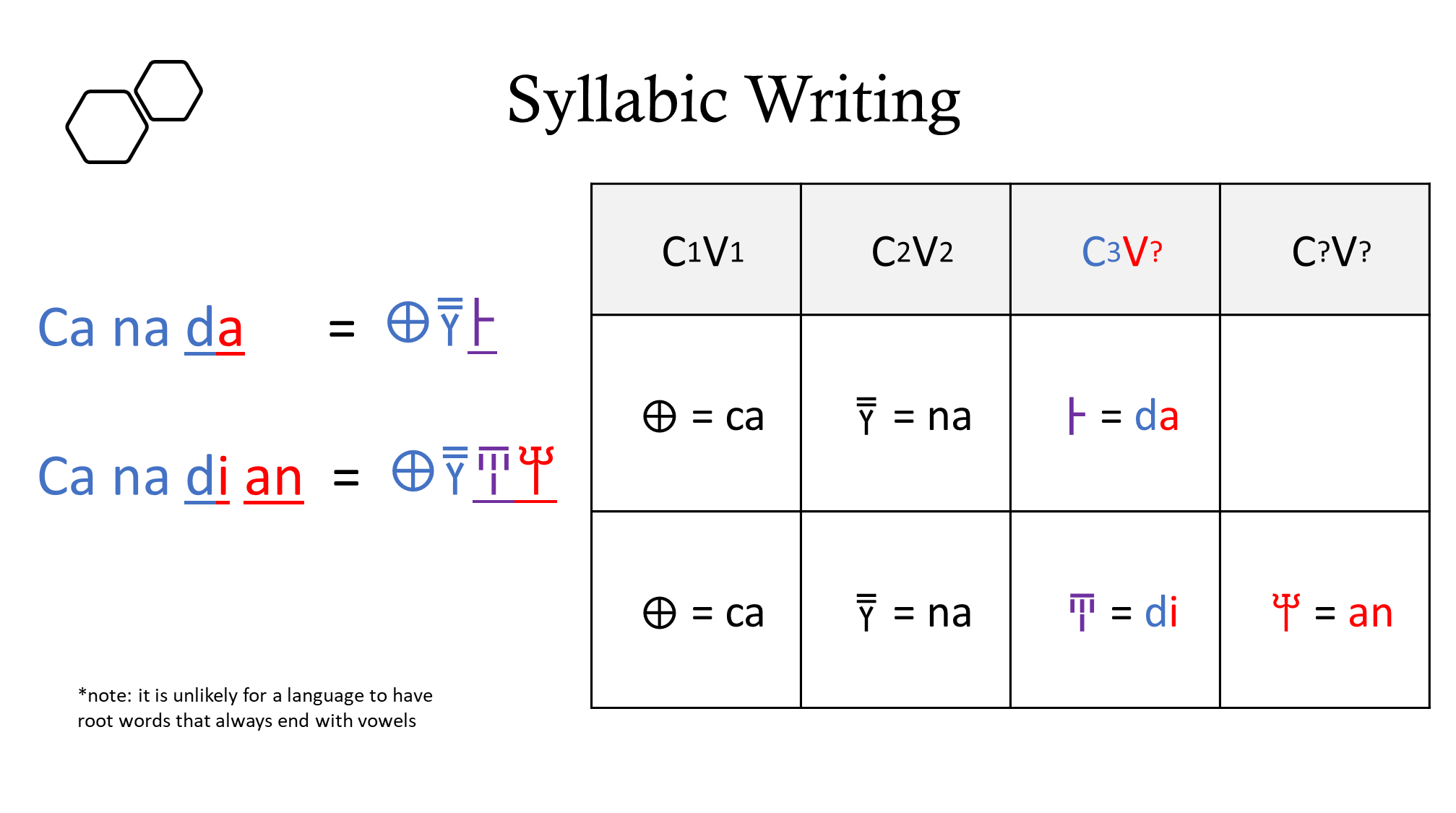
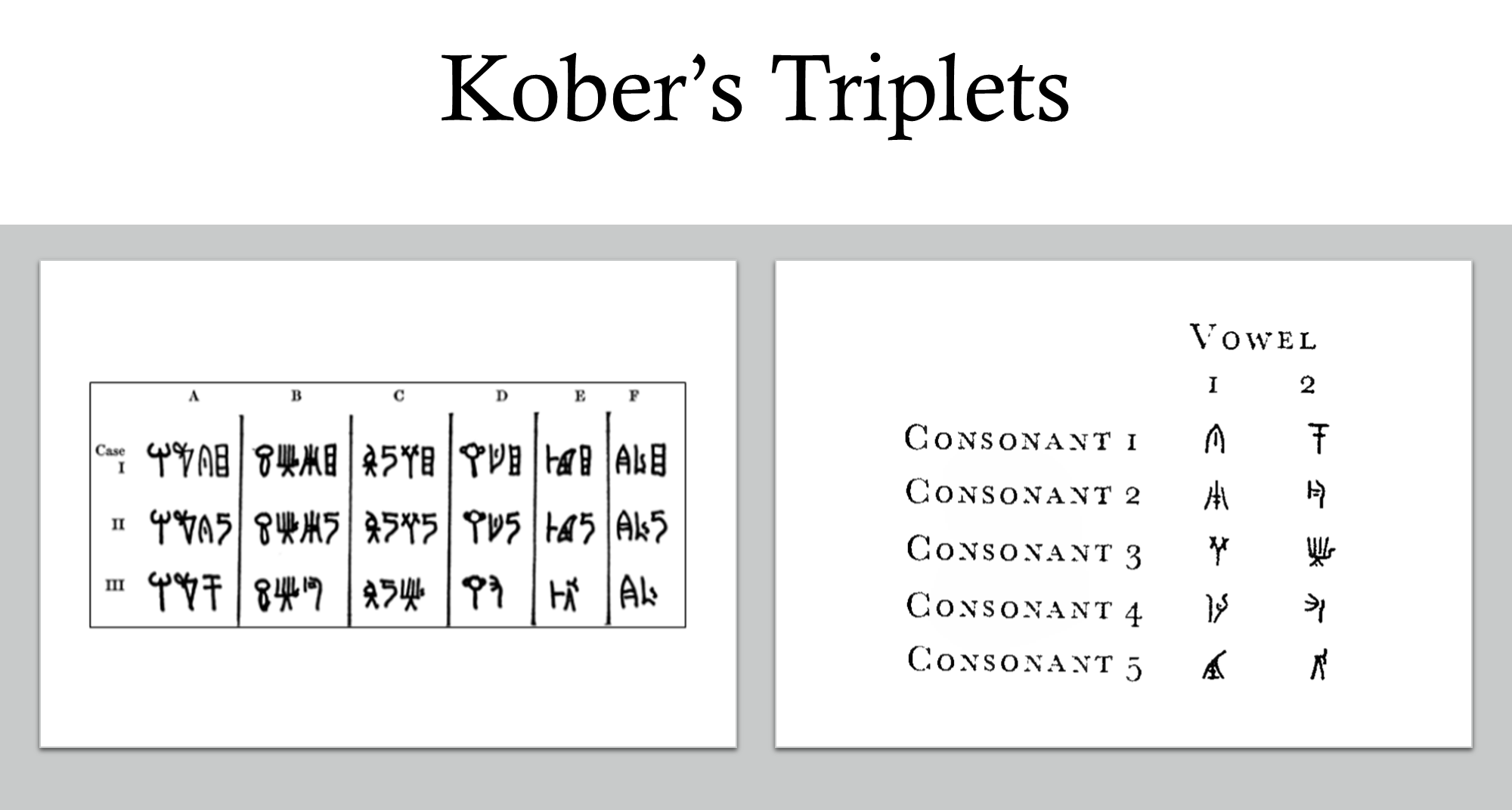
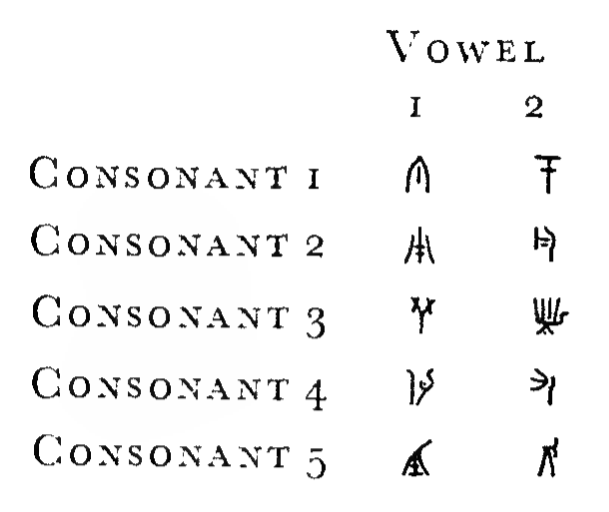
Kober Triplets
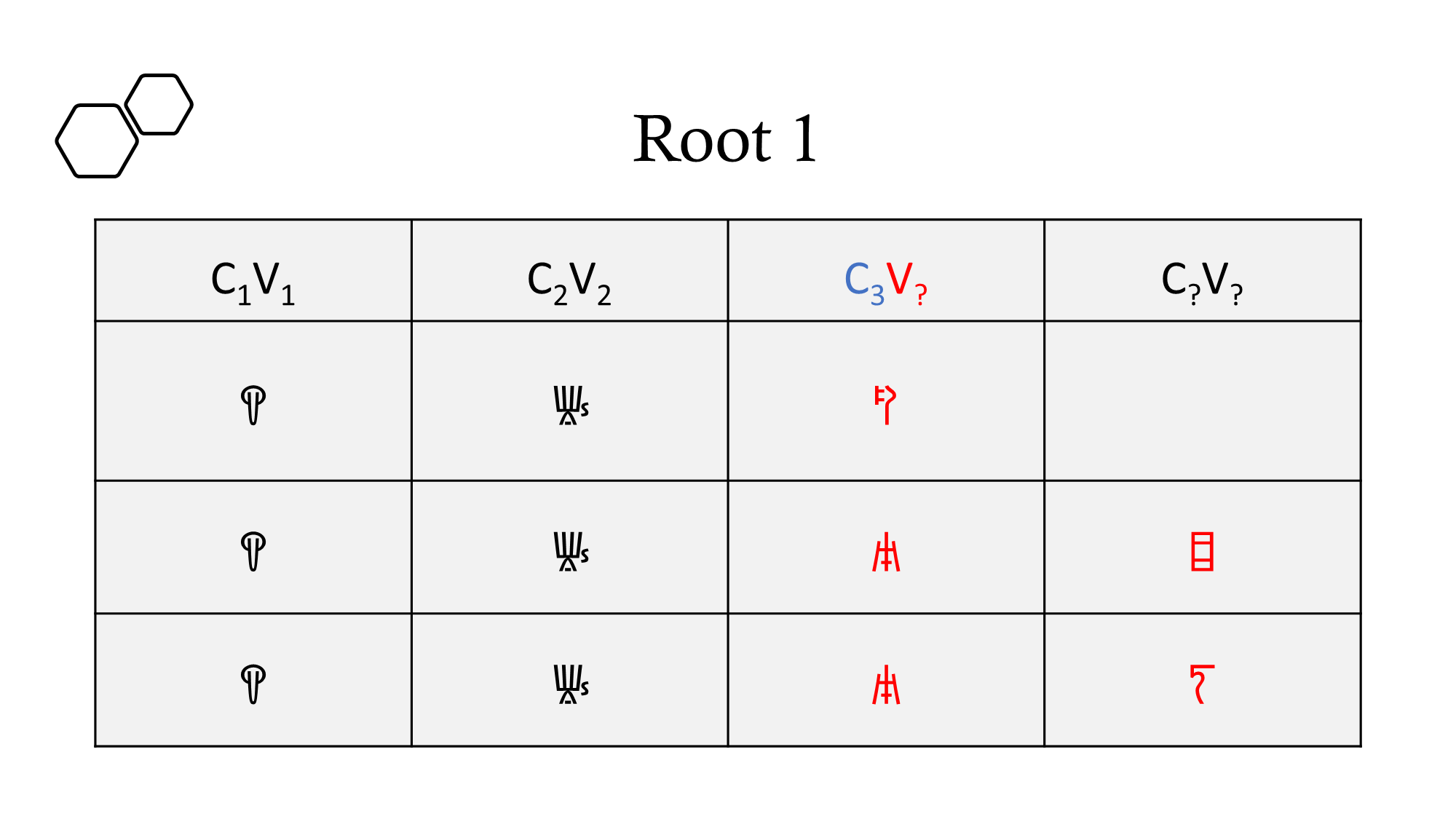
MAJOR BREAKTHROUGH

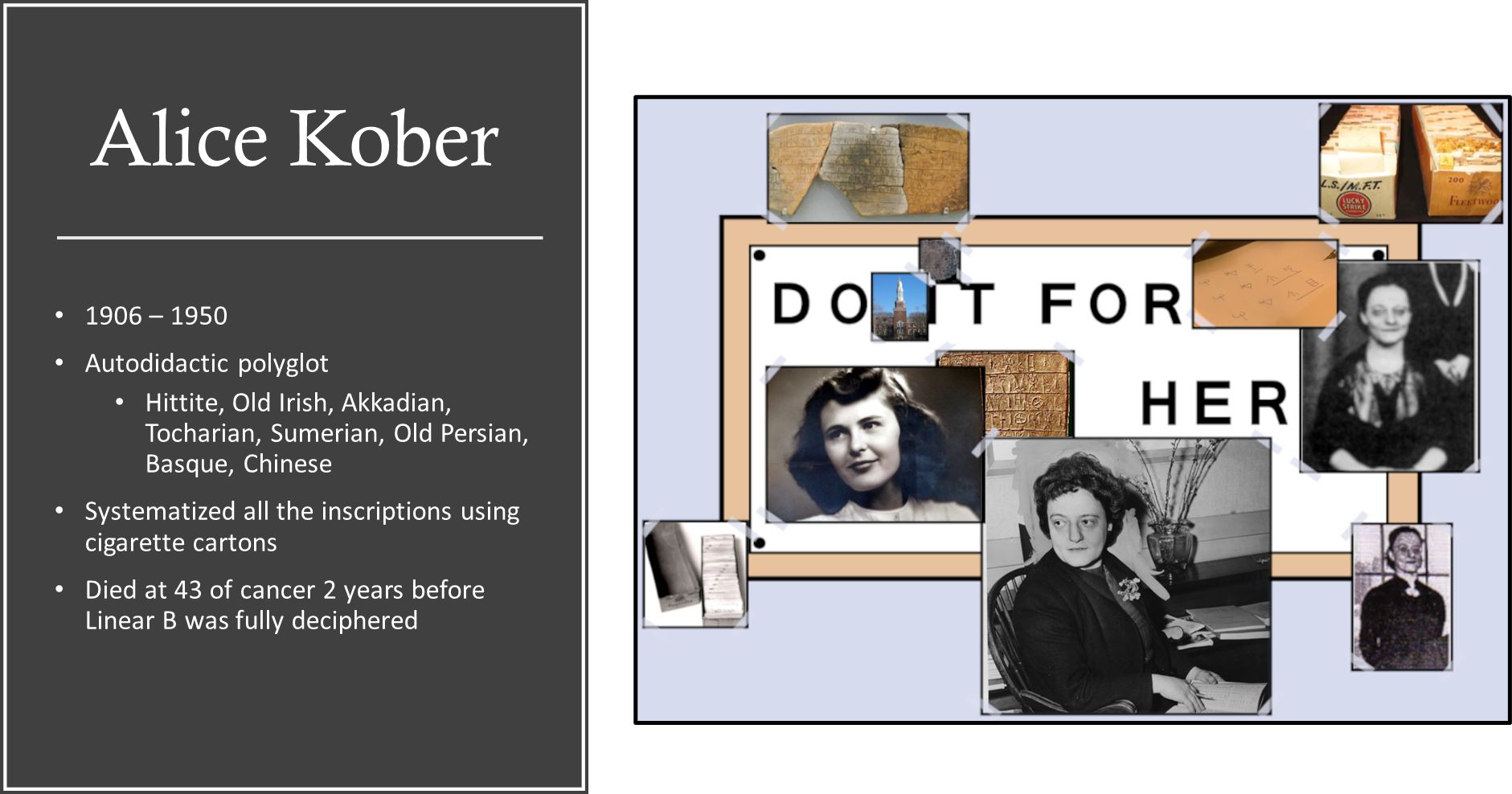
Alice Kober
Knossos vs. Pylos
Knossos vs. Pylos

  • Tablets at Pylos had words that did not appear on the Knossos on Crete tablets and vice versa. Why?

MAJOR BREAKTHROUGH

Michael Ventris
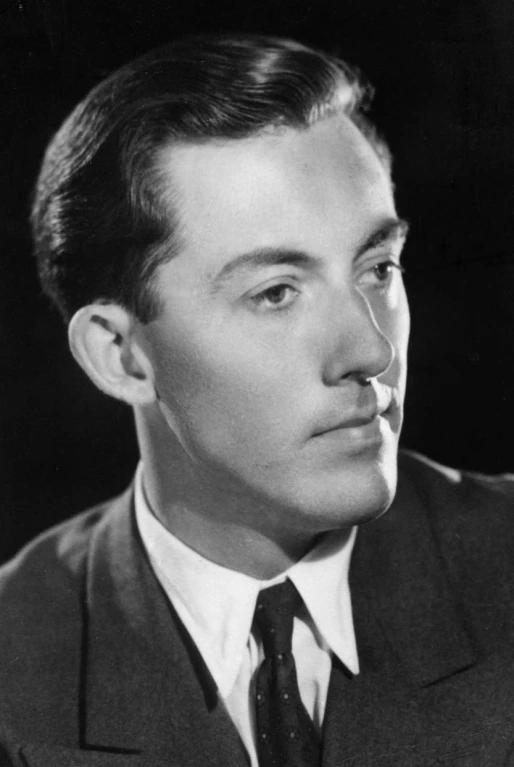
“I have come to the conclusion that the Knossos and Pylos tablets must, after all, be written in Greek—a difficult and archaic Greek, seeing that it is 500 years older than Homer and written in a rather abbreviated form, but Greek nevertheless.“

Kober was right!
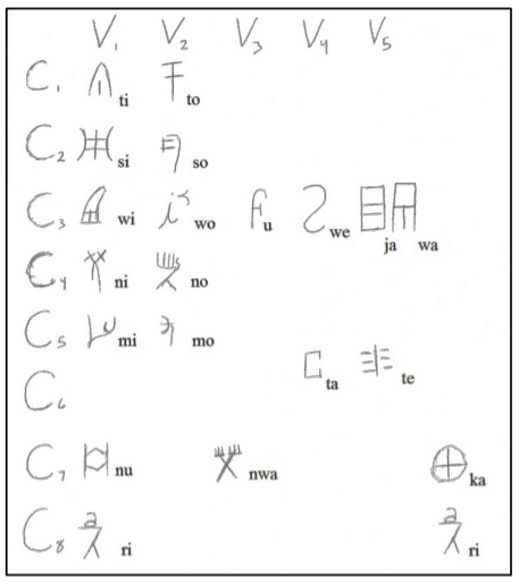
Kober was right!
Back PY Cn 40 – What type of system is Linear B?
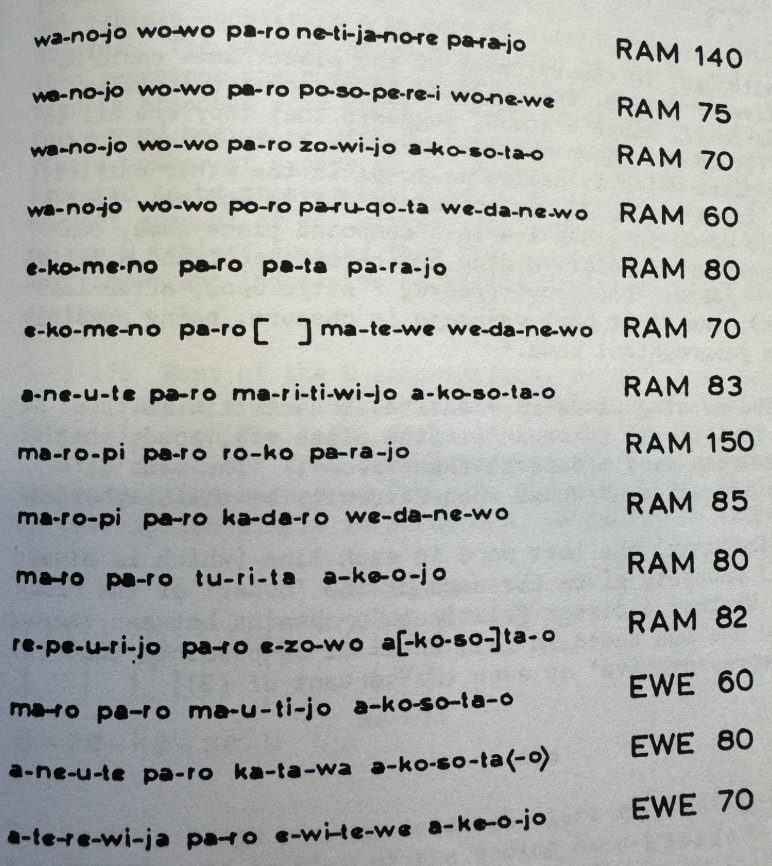
Activity: PY Cn 40 – how is this different from the script?

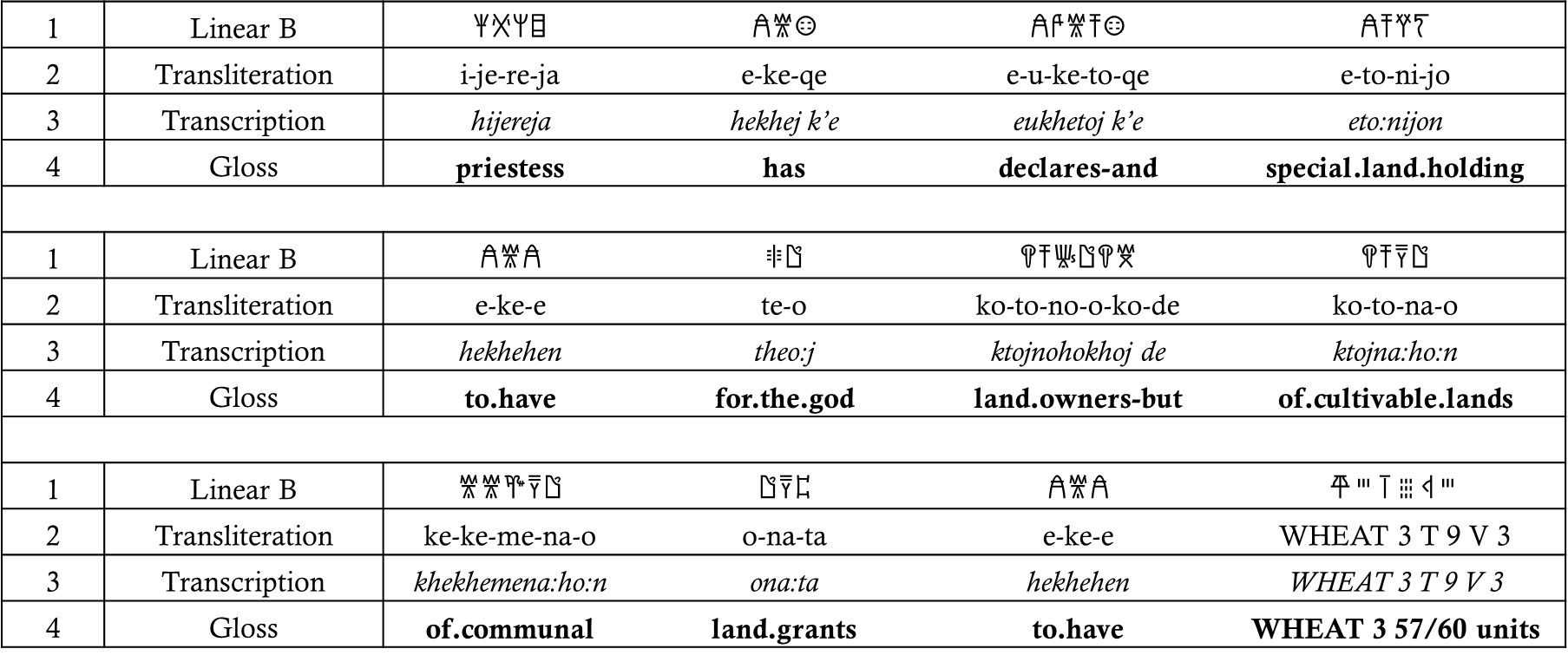
.1 wanojo, worwoj, paro Netijanorei, palajoj

.2 wanojo, worwoj, paro Posoperei, wonewes

.3 wanojo, worwoj, paro Zowijoi, Aksotao

.4 wanojo, worwoj, paro Porykota, Wedanewos

.5 ekomenos, paro Pataj, palajo

.6 ekomenos, paro Matewej, Wedanewos

.7 aneutej, paro Maritiwioj, Aksotao

How does the script work?

Translation

The priestess, and she holds (this), and she claims the (her) god holds the freehold, but the actual plot-owner (claims) that he she holds the leases of communal plots: 474 1. wheat.

How does the script work?

  1. Certain consonants deleted:
    1. nasals (m, n, ŋ), r, l, s, z at the end of a syllable
    2. s when at the beginning of a syllable
  2. Vowels added to write consonants in clusters
  3. < l > written as < r >

Write Your Name in Linear B

Delete:

  1. Delete nasal consonants (m, n, ŋ), r, l, s, z when they occur at the end of a syllable (i.e., in coda position).

  2. The sound s when in a group of multiple consonants at the beginning of a syllable.

swear (swer) –> [we].

Andrew Byrd (andru bard) –> [adru bad]

Write Your Name in Linear B

Add Vowels:

  1. To consonants that are followed by another consonant, copy the vowel of the next syllable.

  2. To consonants that occur at the end of the word; here, copy the vowel of the preceding syllable

script (skript) –> [kiripiti].

Andrew Byrd ([adru bad]) –> [aduru bada]

Write Your Name in Linear B

𐀀𐀉𐀬 𐀞𐀅
(I had to change ba to pa)